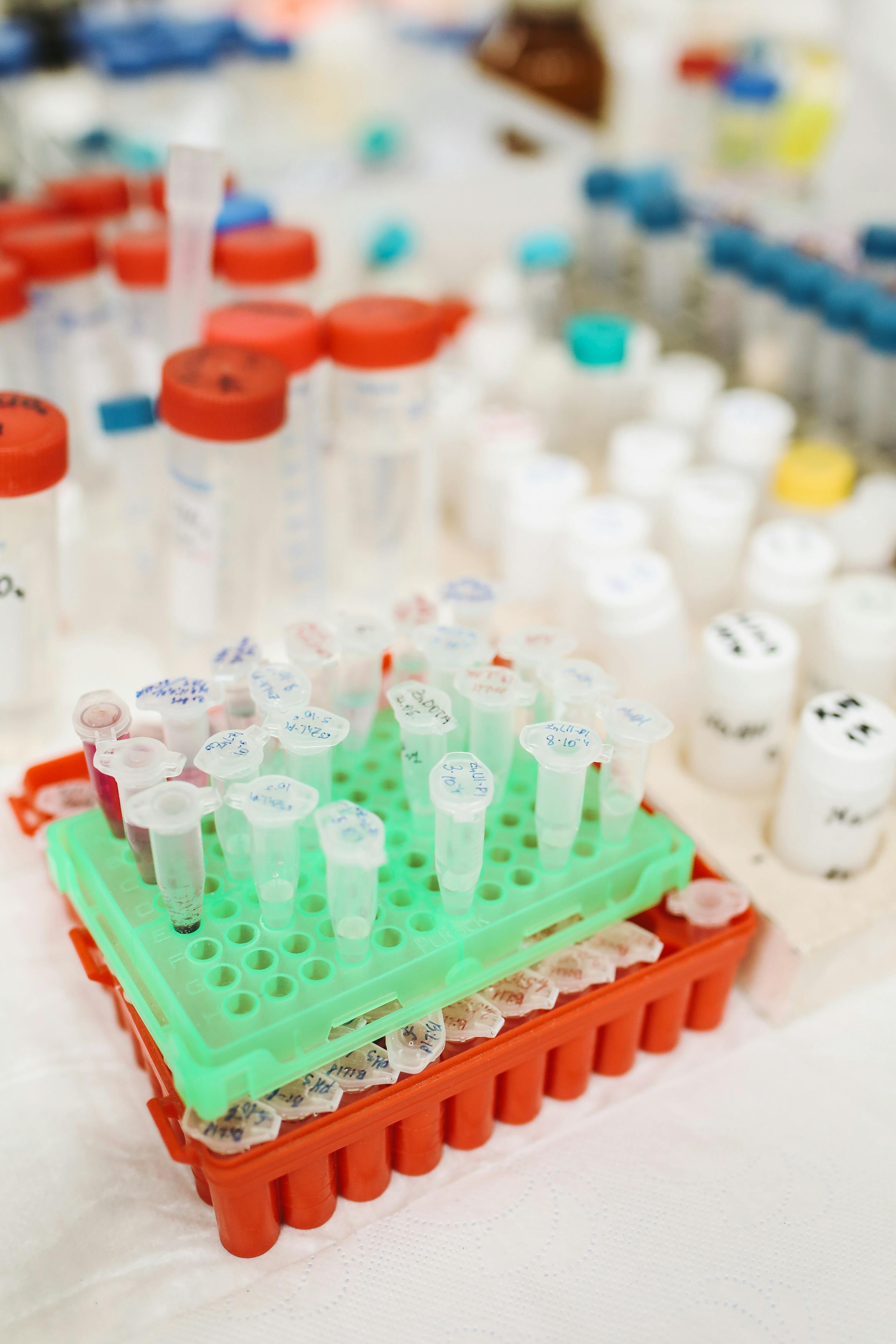
Types of Laboratory Errors
Errors in the clinical laboratory can occur at any stage of the testing process:
- Pre-analytic: Incorrect orders, patient identification errors, poor specimen collection.
- Analytic: Instrument malfunction, QC failures, operator errors.
- Post-analytic: Reporting errors, delays in result delivery, misinterpretation.
Strategies to Reduce Laboratory Errors
1. Standardize Processes
Use clear, up-to-date procedures and checklists. Reduce variation in how tasks are performed.
2. Strengthen Training and Competency
Ensure staff receive role-specific training and regular competency assessments, especially when new methods or instruments are introduced.
3. Improve Communication and Handoffs
Clarify expectations at order entry, specimen collection, and result reporting interfaces.
4. Use Technology to Reduce Manual Steps
Automate data transfer, barcode specimen labeling, and QC calculations where possible.
5. Monitor and Learn from Incidents
Encourage reporting of near-misses and errors without blame, then analyze root causes and implement corrective actions.
Tracking Errors and Actions in mylabcompliance.io
mylabcompliance.io supports error reduction by:
- Providing incident reporting forms accessible to staff.
- Capturing root cause analyses and action plans.
- Linking incidents to processes, instruments, and test systems.
- Displaying trends so labs can spot recurring issues and prioritize interventions.