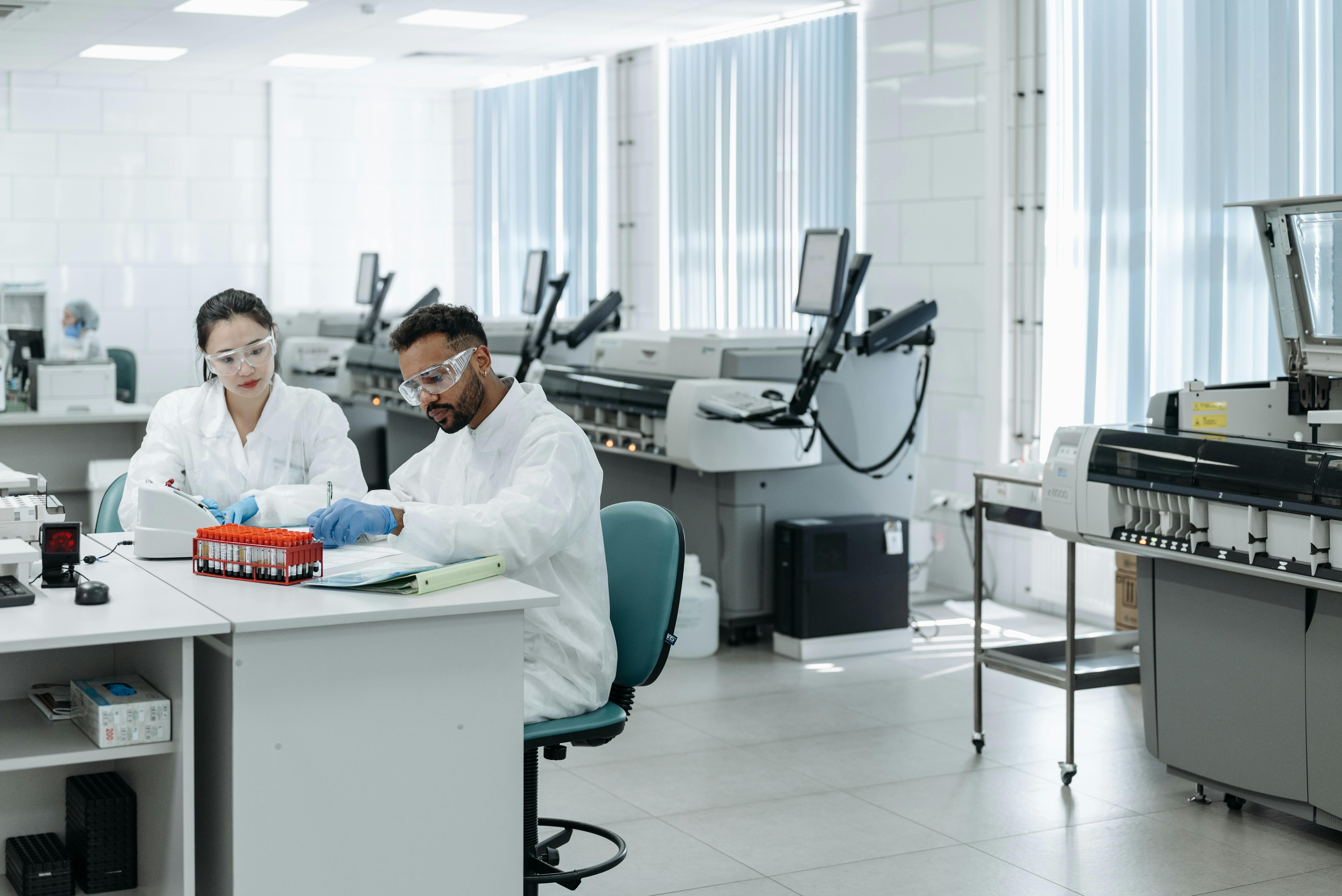
Mobile Labs and CLIA Compliance
Mobile laboratories are testing facilities that operate from vehicles, trailers, or temporary locations to provide clinical testing services at various sites. These units must meet the same CLIA compliance requirements as fixed laboratory locations, but face unique challenges related to their mobile nature, environmental controls, and documentation management.
Whether providing testing at health fairs, workplace wellness events, community health centers, or remote locations, mobile labs must maintain full CLIA compliance including proper certification, quality control, personnel qualifications, and documentation.
CLIA Certification for Mobile Labs
Mobile laboratories require a separate CLIA certificate for each mobile unit, or they may operate under the certificate of a parent laboratory if they meet specific requirements:
- Separate Certificate: Each mobile unit can obtain its own CLIA certificate if it operates independently.
- Parent Lab Certificate: Mobile units can operate under a parent laboratory's certificate if they are part of the same legal entity and meet CMS requirements for satellite locations.
- Certificate Type: The certificate type (waived, moderate, or high complexity) depends on the tests performed in the mobile unit.
- State Requirements: Some states have additional requirements for mobile laboratories beyond federal CLIA standards.
Environmental Control Requirements
Mobile labs must maintain proper environmental conditions for testing, which presents unique challenges:
- Temperature Control: Instruments and reagents must be maintained at proper temperatures during transport and operation.
- Power Supply: Reliable power sources must be available, with backup generators if needed for critical equipment.
- Vibration Control: Equipment must be properly secured to prevent damage during transport.
- Contamination Prevention: Proper cleaning and disinfection protocols must be established for mobile units.
- Documentation: Environmental monitoring logs must be maintained, including temperature logs for refrigerators and freezers.
Quality Control in Mobile Labs
Quality control requirements for mobile labs are the same as fixed locations, but implementation requires special consideration:
- QC Frequency: Must run QC at the same frequency as fixed labs based on test complexity.
- QC Storage: QC materials must be properly stored and transported with appropriate temperature controls.
- QC Documentation: All QC results must be documented, which can be challenging in mobile settings without reliable internet access.
- Corrective Action: QC failures must be investigated and corrected before patient testing resumes.
- Instrument Calibration: Instruments must be calibrated and verified after transport and setup.
Personnel Requirements for Mobile Labs
Mobile labs must meet the same personnel qualification requirements as fixed laboratories:
- Laboratory Director: Must meet CLIA qualifications for the complexity of testing performed.
- Testing Personnel: Must meet education and training requirements and have documented competency.
- Supervision: Appropriate supervision must be provided, which may require remote supervision protocols.
- Competency Assessment: Annual competency assessments must be performed and documented.
Documentation Challenges in Mobile Settings
Maintaining proper documentation in mobile labs presents unique challenges:
- Physical Records: Paper records can be lost or damaged during transport.
- Digital Access: Limited internet connectivity may prevent access to cloud-based systems.
- Version Control: Ensuring all mobile units have current versions of procedures and policies.
- Result Reporting: Establishing reliable methods for reporting results to ordering providers.
- Chain of Custody: Maintaining proper chain of custody for specimens collected at remote locations.
Specimen Handling in Mobile Labs
Proper specimen handling is critical for mobile labs:
- Collection: Specimens must be collected following proper procedures and labeled correctly.
- Transport: Specimens must be transported to the mobile unit or fixed lab under appropriate conditions.
- Storage: Proper storage conditions must be maintained during testing.
- Stability: Testing must be performed within specimen stability requirements.
- Disposal: Proper disposal of biohazardous materials must be arranged.
How mylabcompliance.io Supports Mobile Lab Compliance
mylabcompliance.io addresses the unique challenges of mobile lab compliance:
- Offline Capability: Mobile-friendly interface that works with limited connectivity, with sync when connection is available.
- Centralized Management: Manage multiple mobile units from a central dashboard.
- Digital Documentation: Replace paper binders with digital procedures and records accessible on mobile devices.
- QC Tracking: Digital QC logs that can be completed on-site and synced later.
- Personnel Management: Track credentials and competency for staff working across multiple mobile units.
- Real-time Compliance Status: Monitor compliance status across all mobile units in real-time.
By digitizing compliance management, mobile labs can maintain the same level of compliance as fixed laboratories while addressing the unique challenges of mobile operations.
Best Practices for Mobile Lab Compliance
- Obtain proper CLIA certification for each mobile unit or ensure compliance under parent lab certificate.
- Establish robust environmental monitoring and control procedures.
- Implement reliable QC procedures that account for mobile operations.
- Use digital documentation systems that work offline and sync when connected.
- Maintain proper specimen handling and chain of custody procedures.
- Ensure all personnel meet CLIA qualifications and maintain competency.
- Conduct regular inspections and audits of mobile units.
- Establish clear communication protocols between mobile units and parent laboratory.