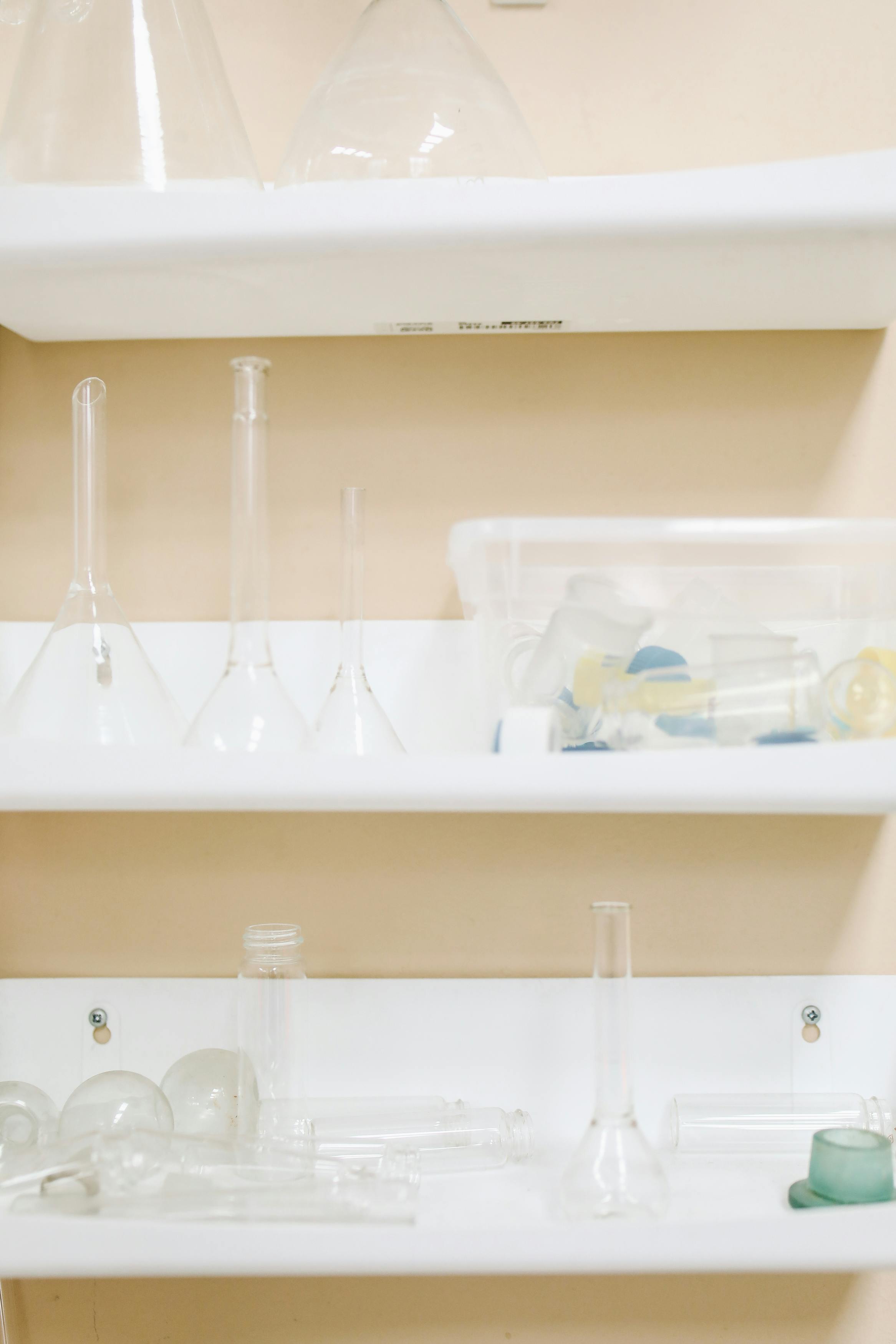
Chemical Safety in Clinical Laboratories
Clinical laboratories use various chemicals for testing, quality control, and maintenance. Proper chemical safety protocols protect personnel from exposure, prevent accidents, and ensure compliance with OSHA regulations. While CLIA focuses on test quality, chemical safety is essential for safe laboratory operations and is often evaluated during inspections.
Effective chemical safety programs include proper storage, handling, labeling, disposal, and emergency response procedures. Personnel must be trained on chemical hazards and safe work practices to prevent exposure and accidents.
OSHA Hazard Communication Standard
Laboratories must comply with OSHA's Hazard Communication Standard:
- Safety Data Sheets: Maintain current SDS for all hazardous chemicals.
- Chemical Labeling: Ensure all chemicals are properly labeled with hazard information.
- Employee Training: Train employees on chemical hazards and safe handling.
- Written Program: Maintain a written hazard communication program.
- Chemical Inventory: Maintain an inventory of all hazardous chemicals.
Chemical Storage Requirements
Proper chemical storage prevents accidents and exposure:
- Compatibility: Store chemicals according to compatibility to prevent reactions.
- Segregation: Separate incompatible chemicals to prevent mixing.
- Ventilation: Store chemicals in well-ventilated areas.
- Temperature Control: Store chemicals at appropriate temperatures.
- Access Control: Limit access to chemical storage areas.
- Labeling: Ensure all stored chemicals are properly labeled.
Chemical Handling Procedures
Safe chemical handling prevents exposure and accidents:
- Personal Protective Equipment: Use appropriate PPE when handling chemicals.
- Work Practices: Follow safe work practices to minimize exposure.
- Engineering Controls: Use fume hoods and other engineering controls.
- Spill Prevention: Take precautions to prevent chemical spills.
- Proper Techniques: Use proper techniques for transferring and mixing chemicals.
Chemical Spill Response
Laboratories must have procedures for chemical spill response:
- Spill Kits: Maintain spill kits appropriate for chemicals used.
- Response Procedures: Develop and document spill response procedures.
- Personnel Training: Train personnel on spill response procedures.
- Emergency Contacts: Maintain emergency contact information.
- Documentation: Document all chemical spills and responses.
Chemical Disposal
Proper chemical disposal protects the environment and ensures compliance:
- Waste Classification: Classify chemical waste according to regulations.
- Proper Containers: Use appropriate containers for chemical waste.
- Labeling: Properly label all chemical waste containers.
- Disposal Methods: Dispose of chemicals according to regulations.
- Documentation: Document chemical waste disposal activities.
Chemical Safety Training
Personnel must receive chemical safety training:
- Initial Training: Provide chemical safety training to all new personnel.
- Hazard-Specific Training: Train personnel on specific chemical hazards in their work areas.
- Ongoing Training: Provide regular safety training updates.
- Emergency Procedures: Train personnel on emergency procedures.
- Documentation: Document all chemical safety training provided.
How mylabcompliance.io Supports Chemical Safety
mylabcompliance.io helps laboratories manage chemical safety:
- Chemical Inventory: Track chemical inventory and locations.
- SDS Management: Maintain and organize Safety Data Sheets.
- Training Tracking: Track chemical safety training for all personnel.
- Incident Management: Track and manage chemical safety incidents.
- Documentation: Centralize chemical safety documentation.
- Reminder System: Automated reminders for training and inspections.
By providing tools to manage chemical safety, mylabcompliance.io helps laboratories maintain safe working environments and meet regulatory requirements.