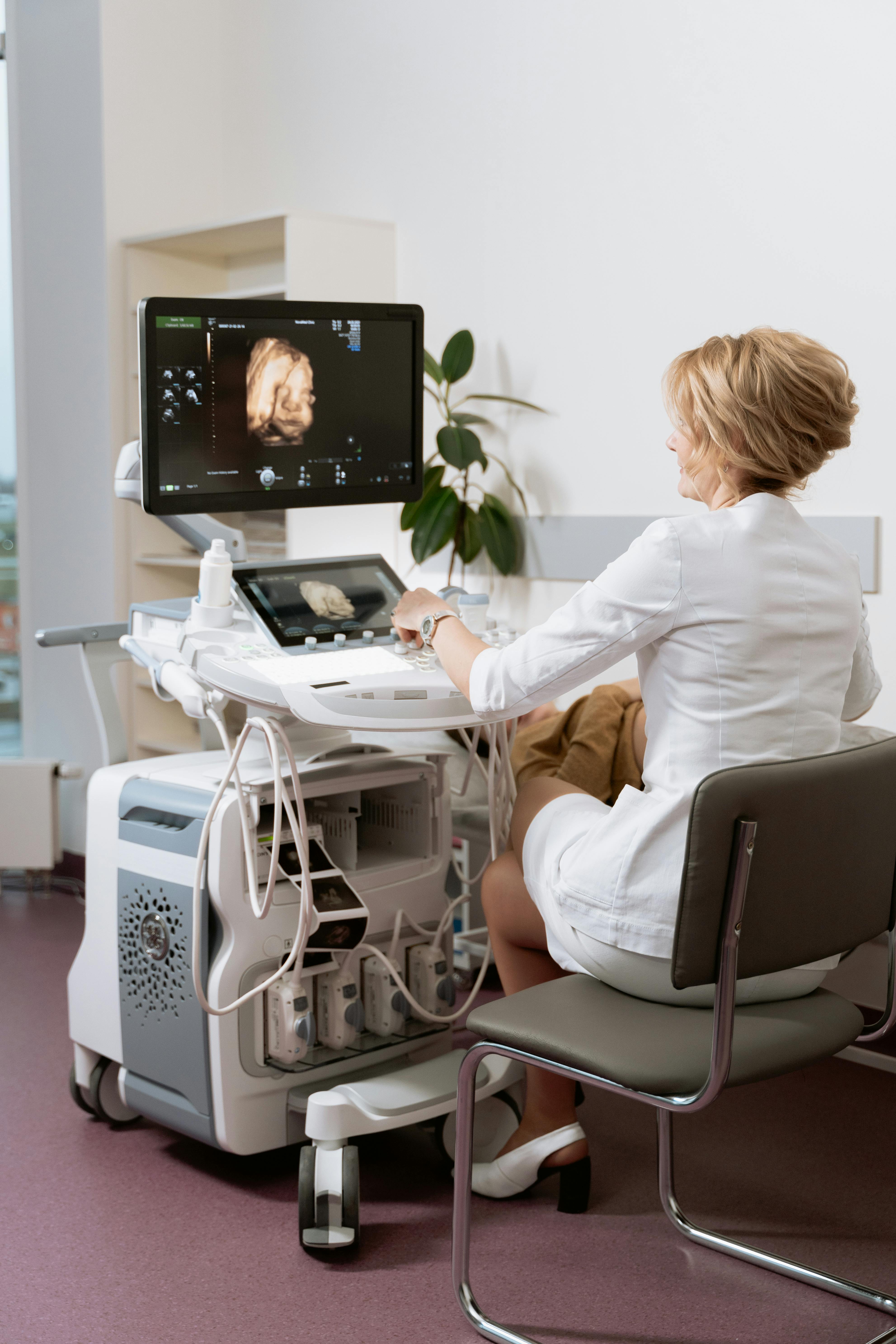
Why Role-Based Requirements Matter
CLIA and accreditation standards define specific responsibilities and qualification criteria for key lab roles. Ensuring the right people hold the right roles is critical for compliance and safe patient care.
Key Laboratory Roles and Requirements
Laboratory Director
Has overall responsibility for the quality and integrity of testing. Requirements vary by test complexity but generally include relevant degrees, licenses, and laboratory experience.
Technical Consultant / Technical Supervisor
Oversees technical operations, method selection, validation, and troubleshooting for moderate and high complexity testing.
Clinical Consultant
Provides guidance to clinicians on test selection and result interpretation, particularly in high complexity labs.
General Supervisor
Manages day-to-day testing and ensures staff follow procedures in high complexity settings.
Testing Personnel
Perform the actual tests, requiring appropriate education, training, and demonstrated competency.
Documenting Personnel Requirements
- Job descriptions that match CLIA-defined responsibilities.
- Evidence of degrees, certifications, and licenses.
- Training and competency records for assigned duties.
- Organizational charts showing reporting relationships.
Role Management in mylabcompliance.io
mylabcompliance.io helps labs manage personnel by:
- Defining roles and assigning them to individuals.
- Storing qualifications and linking them to CLIA requirements.
- Tracking which personnel are authorized for which test systems.
- Flagging gaps in qualifications or missing documentation.